
You packed the bag. You filled the water bottle. You pulled into the parking lot five minutes early. And then your kid looked at you from the backseat and said, “My stomach hurts. Can we just go home?”
Sound familiar? You’re not alone. Sports anxiety in kids is one of the most common things I hear about from parents, and it shows up way earlier than most people expect. We’re not talking about teenagers facing college scouts. We’re talking about six-year-olds who suddenly don’t want to walk into the gym.
May is Mental Health Awareness Month, and there’s no better time to talk about what’s really going on when your young athlete starts pulling away from the game they used to love.
How to Spot Sports Anxiety in Kids
Here’s the thing about anxiety in young athletes: it doesn’t always look like fear. Sometimes it looks like a stomachache. Sometimes it looks like anger. Sometimes it looks like a kid who “just doesn’t feel like it.” After raising three boys through every level of basketball, from playground to university, I’ve learned to read the signs that something deeper is going on.
1. The Sudden Stomachache
Your kid was fine all day. Then thirty minutes before practice, their stomach hurts. Or their head hurts. Or their legs are “too tired.” If this happens once, it’s probably nothing. If it happens every game day, that’s anxiety talking through their body. Kids this age don’t have the vocabulary to say “I’m scared,” so their body says it for them.
2. They Stop Talking About Basketball
A kid who used to dribble in the kitchen and beg you to shoot hoops after dinner suddenly goes quiet about the sport. No more “guess what happened at practice.” No more pretending to be their favorite player. When the excitement disappears, pay attention.
3. The Car Ride Meltdown
Everything is fine until you’re five minutes from the gym. Then the tears start, or the attitude flares, or they go completely silent. The car ride becomes a battlefield because the anxiety is building and they don’t know how to handle it.
4. They Hide During Games
Watch your child on the court. Are they running to get open and asking for the ball? Or are they hanging back, staying behind other players, avoiding the action? A kid who physically shrinks on the court is a kid who’s afraid of making a mistake in front of people.
5. The “I’m Not Good Enough” Talk
When your child starts saying things like “I’m the worst one” or “everyone is better than me,” that’s not just low confidence. That’s anxiety whispering in their ear. Young kids don’t naturally compare themselves that harshly unless something is making them feel like the spotlight is on their mistakes.
What You Can Do About It
Here’s what I’ve learned the hard way: you can’t fix this by saying “just have fun out there.” If it were that simple, they would. What actually works is meeting them where they are.
Normalize the feeling. Tell them that every athlete, even the pros, gets nervous. My son Nathan used to get so anxious before games that he wouldn’t eat dinner. We didn’t push. We just let him know it was okay to feel that way.
Shrink the moment. Don’t talk about the whole game or the whole season. Talk about the next five minutes. “You just have to walk in and say hi to your coach. That’s it.” Small steps build courage faster than big speeches.
Separate your goals from theirs. This is the hardest one. Sometimes we’re more invested in them playing than they are in that moment. Ask yourself: is this about what they need, or what I want? According to the Positive Coaching Alliance, kids who feel pressured by parents are significantly more likely to experience sports anxiety and eventually quit.
Focus on effort, not outcome. Don’t ask “did you score?” after practice. Ask “did you try something new today?” When kids know they won’t be judged on results, the pressure drops.
Meet Shy Baller: The Kid Who Was Too Afraid to Speak Up
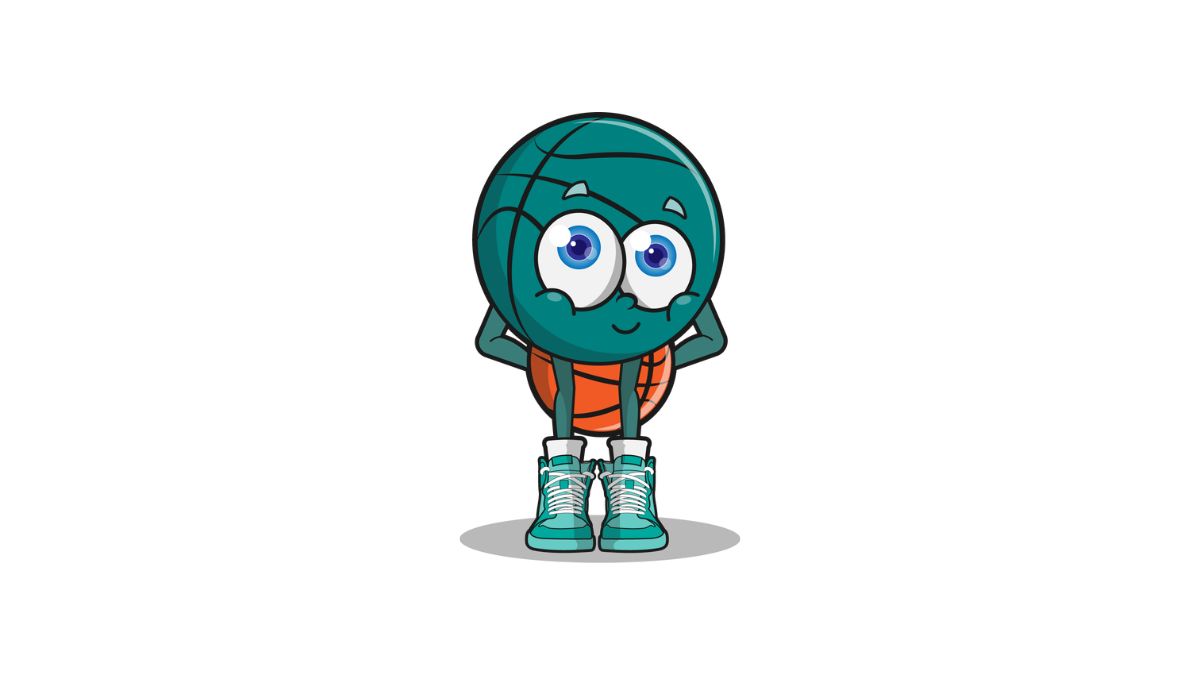
This is exactly why I wrote Shy Baller. She’s a teal basketball character who loves the game and earned her spot on the team, but she’s too shy to call for the ball. Her teammates aren’t ignoring her on purpose. They just don’t know she’s open because she won’t wave her arms or use her voice.
Coach Swish notices and pulls her aside. He tells her that basketball is a team game, and communicating with your teammates is part of playing. Shy Baller is scared, but she tries. She waves her arm, softly calls out “I’m open,” and for the first time, a teammate passes her the ball. She makes the shot. And her confidence starts to grow.
That’s the thing about sports anxiety in kids. The cure isn’t eliminating the fear. It’s giving them a small enough step that they can take it even while they’re scared. Shy Baller’s story shows kids that speaking up isn’t about being loud. It’s about being brave enough to try.
Sport Parenting Hack
This week, try the “one brave thing” challenge. Before each practice or game, ask your child to pick one brave thing they’ll do. It could be saying hi to a teammate, asking for the ball once, or trying a move they’ve been practicing at home. One brave thing. That’s it. You’ll be amazed how quickly those small wins stack up.
Conversation Starter
Ask your child tonight: “What’s the hardest part about playing basketball? I promise I won’t try to fix it, I just want to listen.”
Grab the Book
Get Shy Baller on Amazon for $11.50, less than a post-game juice box and snack.
Already on Kindle Unlimited? Read it free here.
Want a free coloring sheet and weekly sport parenting tips? Join the Lil Baller village at lilballerbooks.com.
Find Lil Baller gear and coloring books at the Lil Baller Etsy Shop.