
Your kid used to race you to the car for basketball. Now there’s a stomachache every Tuesday at 4:30. Then the stomachache gets a name: the same kid, every week, taking the ball, saying the same thing, waiting until the coach looks away. That’s when you start wondering if this is bullying in youth sports, or just kids being kids.
Two weeks ago I wrote about dealing with mean kids in sports, the one-off unkind moments every kid runs into. This one is different. October is National Bullying Prevention Month, and bullying deserves its own playbook.
Bullying in Youth Sports vs. a Bad Day at Practice
Not every mean moment is bullying. That matters, because the response is different.
StopBullying.gov defines bullying with three ingredients. The behavior is unwanted and aggressive. There’s a real or perceived power imbalance. And it repeats, or is likely to.
Now translate that to a gym full of six year olds. A kid who grabs the ball once because he wanted it: that’s a bad day. A kid who grabs your kid’s ball every single practice, laughs about it with two friends, and only does it when the coach isn’t looking: that’s a pattern. Power at this age is usually size, age, or having a crew. The bigger kid. The one who’s been coming for two years when everyone else is brand new. The kid with three buddies on the bench.
Think of it like a foul. One bump is part of the game. The same bump, on the same kid, every single time down the court? Somebody needs to blow the whistle.
Signs your kid might be dealing with it
Young kids rarely say “I’m being bullied.” They don’t have the word for it yet. Watch for:
- Sudden reluctance to go to a program they used to love
- Stomachaches or headaches right before practice that vanish by bedtime
- The same name coming up again and again, in a flat voice
- Wanting to quit “for no reason”
- A missing water bottle or hoodie with no real explanation
Any one of these alone can be nothing. Two or three together, and you dig in.
What to Do When It’s Your Kid
I’ve spent years running Elite Camps, with thousands of kids through our gyms. Here’s what I’ve seen work from the director’s chair, and what I learned the hard way as a mom of three boys.
Stay calm in front of your kid. If you panic, they learn that telling you makes things scarier. Say: “Thank you for telling me. That’s not okay, and it’s not your fault. We’re going to handle this together.”
Get specifics. When, where, who was around, what was said. Write it down. Coaches and directors act faster on details than on feelings.
Go to the adult in charge, not the other parent. This is the step I see parents skip. A parking lot conversation with the other family almost always blows up. The coach can watch, separate, and step in at the exact moment it happens. At our camps, the first move is simple: different groups, and a coach standing right in that space. It works more often than you’d think. If you’re nervous about that conversation, here’s what basketball coaches wish parents knew.
Follow up in a week. Don’t assume it’s fixed. Ask your kid. Ask the coach. If nothing changes, go up the chain. A program that shrugs at bullying is telling you something about its culture.
What If Your Kid Is the One Doing It?
Nobody wants to read this section. Read it anyway.
Most kids who bully at five, six, or seven aren’t bad kids. They found something that gives them power, and they haven’t learned the cost yet. When a coach pulls you aside, your instinct is to defend. Don’t. Listen first.
At home, skip the lecture. Ask: “How do you think he felt when that happened?” Make it about empathy, not punishment. Then give one concrete repair: an apology, a pass to that kid, sitting next to them at water break.
And look honestly at what they’re seeing. Sibling put-downs. Trash talk about other kids in the car. Kids copy what they see, and they copy us most of all.
Meet Mean Baller: The Bully Who Got a Second Chance
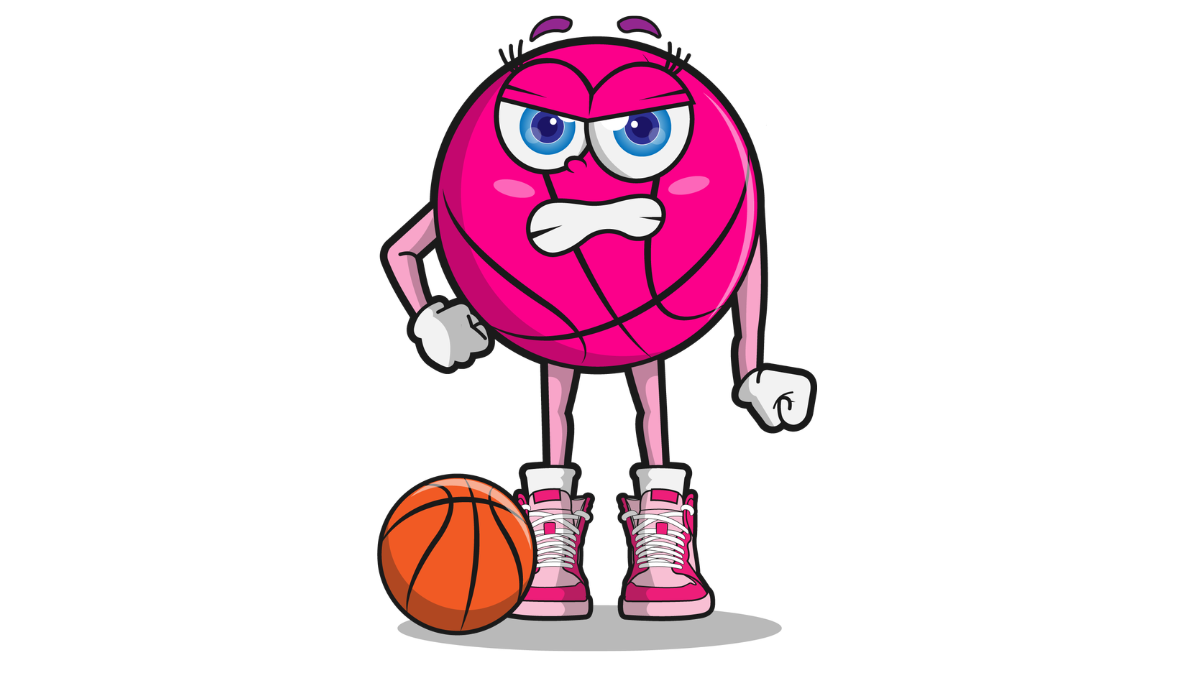
That’s exactly why I wrote Mean Baller. She’s a hot pink basketball with a scowl, and her meanness doesn’t start on the court. It starts at home, telling her little sisters their drawings are terrible. Then it spreads: whispering about Girl Baller’s dribbling, telling a friend not to play with Junk Food Baller, laughing when the ball bounces off Rookie Baller’s foot.
Coach Swish hears it. He doesn’t yell. He sits her out and tells her plainly: “I will not allow a bully on my team.” That line matters. It names the behavior without giving up on the kid. Mean Baller apologizes to her friends, goes home, and starts complimenting her sisters’ drawings. She learns that being mean wasn’t just hurting everyone else. It was holding her back too.
It’s the right read for both sides of this problem. The kid being picked on sees that it isn’t okay and that grown-ups step in. The kid doing the picking sees a way back. That’s “Life is a Sport” in a nutshell: the court is a classroom, and kindness is part of the curriculum. Kids won’t take a lecture from you. They’ll take one from a pink basketball.
Sport Parenting Hack
Play “What Would Coach Swish Do?” at dinner. Describe a quick scene, like “A kid takes someone’s ball every practice,” and let your kid decide how Coach Swish would handle it. Then flip it: your kid makes up a scene and you answer. It builds the words they need to tell you what’s happening, and it rehearses the response before they ever need it. Two minutes. Every night this week.
Conversation Starter
In the car on the way home, ask: “Is there anyone at basketball who makes it hard to have fun? What do they do?” Then stop talking and let them fill the silence.
Grab the Book
Get Mean Baller on Amazon for $11.50, less than a post-game smoothie.
Already on Kindle Unlimited? Read it free here.
Want a free coloring sheet and weekly sport parenting tips? Join the Lil Baller village.
More from the blog: Kid Angry After Losing Sports? A Parent’s Playbook and Dealing With Mean Kids in Sports.
Enjoy the journey, because every baller starts somewhere.
Stephanie Rudnick
Author, Lil Baller Books
lilballerbooks.com
Browse more Lil Baller characters and merch at the Lil Baller Etsy Shop.